
Business
The Digital Battery Passport: A Turning Point for the Battery Industry

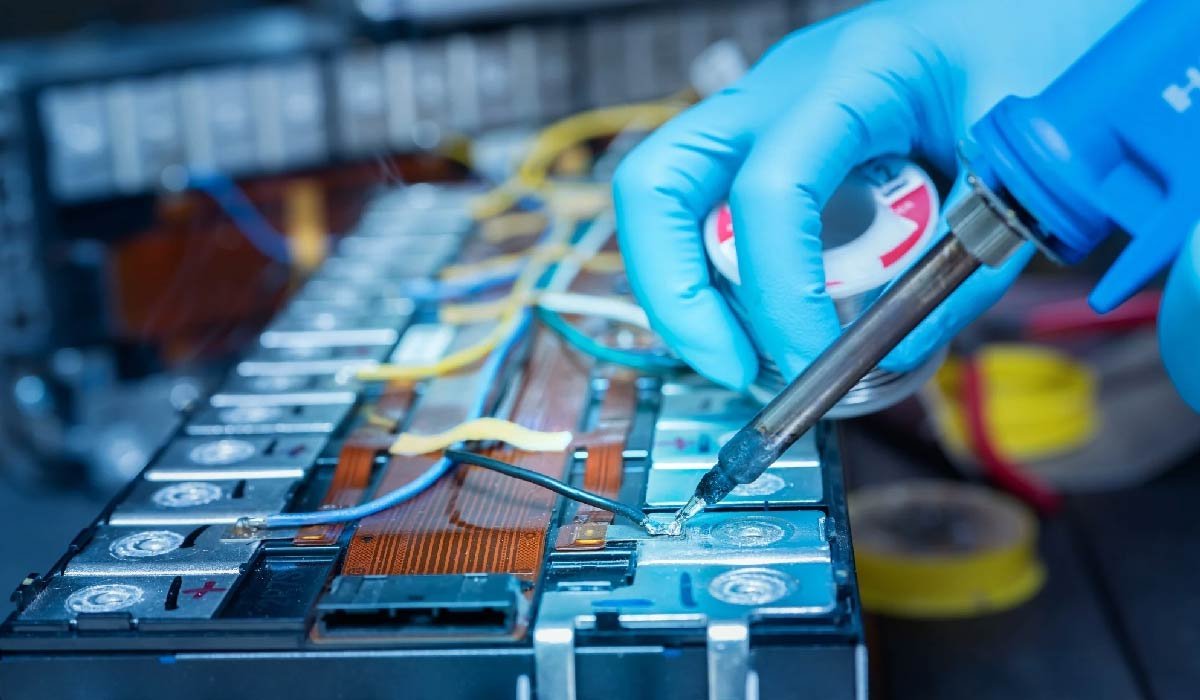
Europe is introducing a major change to the way batteries are regulated. From February 2027, any battery over 2kWh placed on the EU market must be accompanied by a Digital Battery Passport. This will be a digital record containing verified information about a battery’s origin, performance and end-of-life treatment.
For manufacturers and companies selling batteries into Europe, this requirement goes far beyond routine compliance. It introduces a new level of transparency and shared responsibility across the entire battery value chain. Businesses that start preparing now will have a clear advantage when the regulation takes effect.
More Than Compliance
The Digital Battery Passport is a central element of the EU Battery Regulation, one of the most ambitious sustainability frameworks the EU has introduced to date. Its aim is to improve battery safety, reduce environmental impact and make reuse and recycling easier.
The regulation applies to electric vehicle batteries, industrial batteries and those used in light electric transport such as e-bikes and scooters. With a 2kWh threshold, most batteries used in commercial applications are included.
Each battery will be linked to a digital profile that authorised stakeholders can access throughout its life. This includes manufacturers, asset owners, service providers and recyclers.
Why This Matters to the EU
The EU’s approach is rooted in practical concerns.
Europe depends heavily on imported raw materials used in battery production. Many of these materials come from limited sources and are difficult to replace. Better traceability makes it easier to recover and reuse materials, reducing dependence on new extraction.
At the same time, battery volumes are growing rapidly. Without reliable data, batteries are often retired too early or recycled inefficiently. The Digital Battery Passport addresses this gap by ensuring consistent, trustworthy data follows the battery from production to end of life.
The broader aim is to support a circular battery economy that extends product life and makes better use of resources.
What Data the Passport Will Hold
The Digital Battery Passport will contain structured information covering the full battery lifecycle.
This includes data on material composition, sourcing, manufacturing standards and carbon footprint. During operation, it will record information such as charging behaviour, degradation trends and maintenance activities. At end of life, it will provide details on remaining capacity, safety condition and recoverable materials.
Many passport systems will use secure digital technologies to protect data integrity. This allows multiple organisations to rely on the same records without needing to manage separate data sets.
Over time, this information can support safety monitoring, performance forecasting and operational optimisation.
Making Circular Use a Reality
High-quality battery data is essential for reuse and recycling to work at scale.
Manufacturers can use operational data to improve battery design and reduce defects. Service providers can diagnose issues more accurately and repair batteries instead of replacing them prematurely.
Reuse depends heavily on trust in the data. Batteries removed from vehicles often retain significant capacity, but without reliable performance history they are difficult to assess. The Digital Battery Passport provides the insight needed to support second-life applications such as stationary energy storage.
Recyclers benefit as well. Accurate material data helps them plan processes more effectively and recover valuable materials at higher yields.
Enabling New Commercial Models
Consistent and accessible battery data also unlocks new business opportunities.
Leasing, subscription and Battery-as-a-Service models rely on accurate condition monitoring and predictable residual value. Performance-based warranties and insurance offerings depend on the same visibility.
Second-life resale markets become more transparent, allowing participants to price assets more fairly. Aggregated data can also inform product development, system planning and market analysis.
In this way, the passport creates commercial value alongside regulatory compliance.
Supporting Safety and Risk Management
Battery safety is a growing concern across transport, storage and logistics. The Digital Battery Passport improves risk management by keeping critical safety information linked to the battery.
Records of damage, abnormal degradation or safety incidents can be flagged to those handling, storing or transporting batteries. This supports safer decision-making for logistics companies, warehouse operators and emergency responders.
Maintenance teams gain clearer insight into battery health, enabling planned interventions instead of unplanned failures. The result is improved uptime and lower operational risk.
Practical Challenges to Address
Implementing the Digital Battery Passport will require planning and coordination.
Manufacturers must collect and share data across complex international supply chains involving multiple partners. IT systems may need upgrading to support secure, standardised data exchange.
Because standards are still evolving, organisations need to make technology choices that will remain compatible over time. Cybersecurity, data ownership and governance also require careful consideration.
Internally, teams across compliance, engineering, IT and commercial functions will need to work together more closely than before.
Why Early Preparation Matters
Although the requirement does not take effect until February 2027, building the necessary systems and processes will take time. Companies that delay risk higher costs, rushed implementation and missed commercial opportunities.
Those that start early can turn regulation into a strategic advantage. They will be better prepared to demonstrate sustainability, manage risk and meet growing expectations around transparency.
The Digital Battery Passport represents a fundamental shift in how battery value is measured, managed and protected. Organisations that recognise this now — and act early — will be in the strongest position as the European battery market evolves.

The Digital Battery Passport: A Turning Point for the Battery Industry

Car Finance Scandal? Why PCP Claims Are Suddenly Trending

The power of proactive accounting: why UK small businesses can’t afford to fall behind in 2025

How Arе Employеrs of Rеcord Sеrvicеs Facilitating Workforcе Divеrsity and Inclusion?

How to Choose the Right Finish for Interior and Exterior Wood

Choosing the Right Roofing Solutions in San Antonio

Diesel Generator Alternators: The Power Behind the Power

No More Endless Missions — Buy GTA Money and Build Your Empire Fast

SEPA Instant transfers: Real-time EUR payments across Europe

AI in Video Editing: The Secret Behind Seamless Transitions and Effects

Who Is Jordan Broad?: The Untold Story of Ashley Broad Husband

Who Is Mary Ryan Ravenel?: Inside The Life Of Thomas Ravenel’s Ex-Wife

Who Is Noelle Inguagiato?: The Untold Story Of Jesse Watters Ex-Wife

Who Is Dolphia Parker?: Everything About Dan Blocker’s Wife

Who Is Teddy Swims Girlfriend?: All About Raiche Wright

Who Is Micky Popovich?: Everything About Gregg Popovich’s Son

Who Is Jalynn Elordi:? The Untold Story of Jacob Elordi’s Sister

Who Is Lupe Gidley?: All About Christopher McDonald’s Wife

Who Is Ashley Anderson?: All You Need to Know About Dan Avidan’s Wife

Who is Asalia Nazario?: All You Need to Know About Zoe Saldaña’s Parents
-
 Celebrity1 year ago
Who Is Jordan Broad?: The Untold Story of Ashley Broad Husband
-
 Celebrity1 year ago
Who Is Mary Ryan Ravenel?: Inside The Life Of Thomas Ravenel’s Ex-Wife
-
 Celebrity1 year ago
Who Is Noelle Inguagiato?: The Untold Story Of Jesse Watters Ex-Wife
-
 Celebrity1 year ago
Who Is Dolphia Parker?: Everything About Dan Blocker’s Wife